Published: July 28, 2026. Last reviewed: July 28, 2026.
Medically reviewed by Spartak Delakyan, DDS
For general education only; not personal dental advice.
The Most Common Reasons for Tooth Extraction: Why Teeth Get Pulled
TL;DR: There are several common reasons for tooth extraction, ranging from severe decay to advanced gum disease. This guide explains when tooth extraction is necessary, what drives each decision, and what your options are afterward. If you are dealing with pain or a damaged tooth, a quick exam with your family dentist can guide you toward dental extraction.
Having a tooth removed is one of the least welcome items on anyone’s dental to-do list. The reassuring part is that dentists only recommend it when saving the tooth would do more harm than good. Understanding the most common tooth extraction causes can help you feel more prepared and make the decision less stressful.
Let’s start by reviewing the reasons for dental extractions.
Severe Tooth Decay and Infection
One of the leading tooth extraction reasons is decay that has gone too far to fix. When a cavity reaches deep into the tooth, it can cause a dental infection or a tooth abscess at the root. In many cases, a dentist can still rescue the tooth with root canal treatment and a crown.
But when decay leaves a non-restorable tooth with too little healthy structure remaining, removal becomes the safer choice. Taking out the source of infection protects the surrounding teeth, gums, and bone from further damage. This is one of the clearest answers to the question of when tooth extraction is necessary.
Advanced Gum Disease
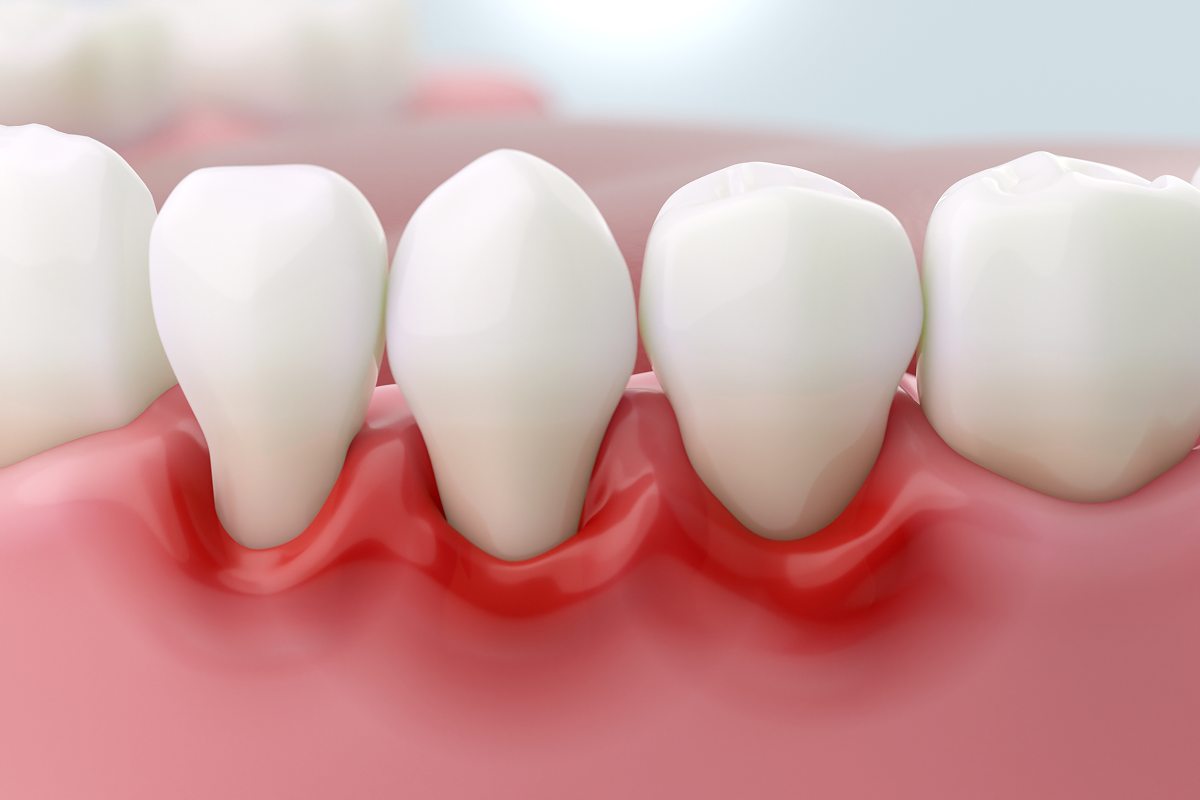
Gum disease is another of the most common reasons for tooth removal. When periodontal disease advances, it destroys the gum tissue and the bone that hold teeth in place. This periodontal bone loss can leave a tooth so loose that it can no longer be saved.
At that stage, removing the loose tooth and planning for a replacement often protects your long-term oral health better than trying to keep it. Regular dental care in Montebello can help catch gum disease early, before it reaches this point.
Cracked, Fractured, or Broken Teeth
Accidents such as a fall, a sports injury, or biting down on something hard can all cause dental trauma. Sometimes a cracked tooth or fractured tooth can be repaired with a filling, crown, or root canal. Other times the damage runs below the gumline, and that is one of the common reasons to pull a tooth.
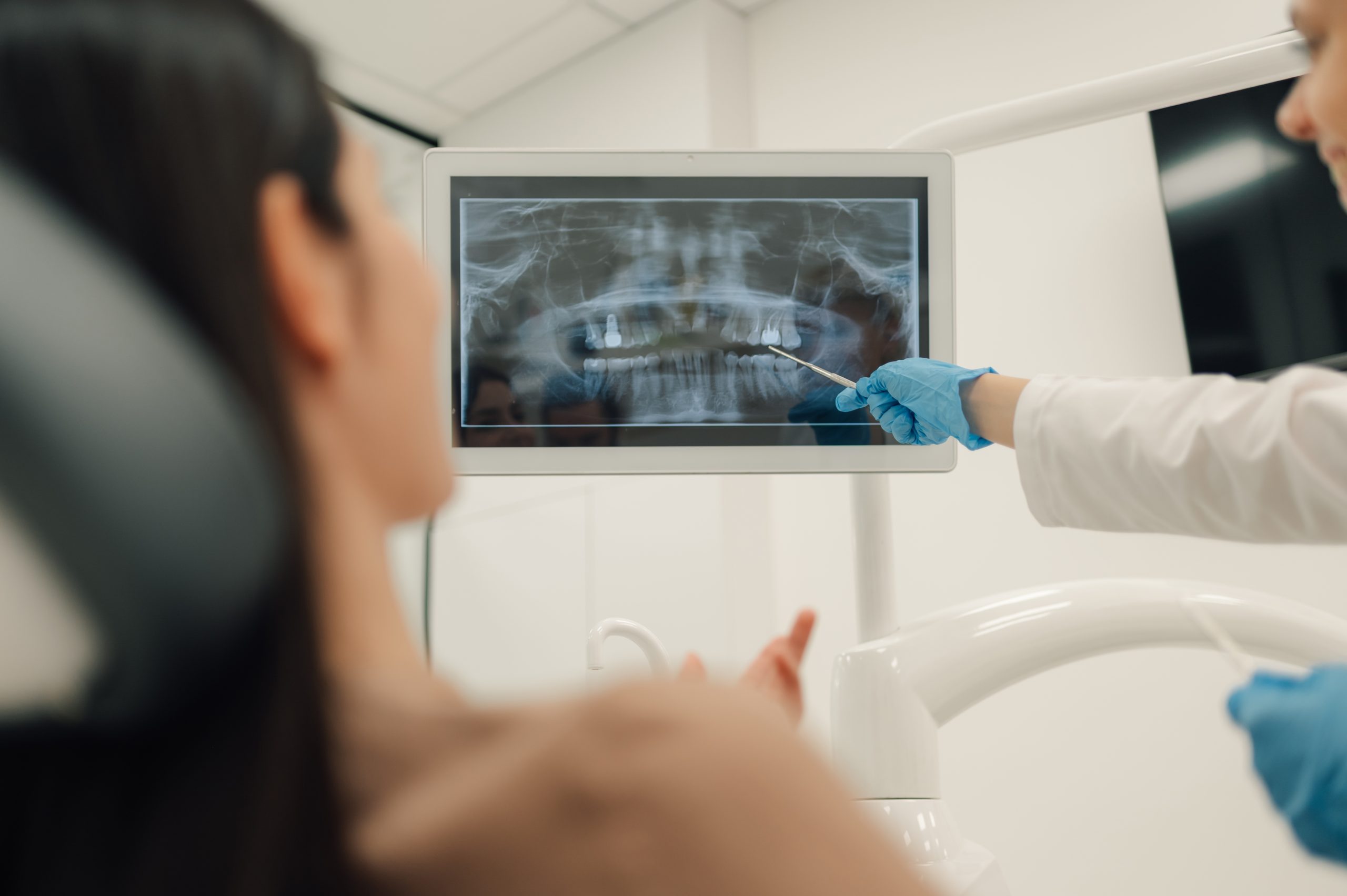
Your dentist will use a dental X-ray and a careful oral examination to see how deep the damage goes before recommending whether the tooth can be saved or needs to come out.
Impacted Wisdom Teeth
Wisdom teeth are a category all their own. Among the reasons for wisdom tooth extraction, the most frequent is impaction, where an impacted wisdom tooth does not have room to erupt properly. An impacted tooth can push against neighboring teeth, trap food and bacteria, and lead to pain or infection.
Wisdom teeth extraction reasons also include recurring gum inflammation, cysts, and difficulty cleaning teeth that sit at an awkward angle. Because these problems tend to worsen over time, many dentists recommend removing troublesome wisdom teeth before they cause lasting harm.
Overcrowding and Orthodontic Treatment
When there are overcrowded teeth, a dentist or orthodontist may recommend extraction as part of orthodontic treatment so the remaining teeth can be aligned properly.
This is one of the less obvious reasons for dental extraction, but it plays an important role in creating a healthy, well-aligned bite.
Retained Baby Teeth and Extra Teeth
A retained baby tooth that never fell out can block the permanent tooth beneath it, and a supernumerary tooth, meaning an extra tooth, can crowd the mouth and disrupt alignment. In both cases, a simple dental extraction clears the way for normal development.
These are common pediatric reasons for tooth extraction that a dentist can spot on a routine X-ray.
What Happens After a Tooth Is Removed
Your dentist’s first goal is always to save the tooth, using natural tooth preservation and restorative treatment wherever it makes sense. When that is not an option, understanding the tooth extraction process and what comes next takes a lot of the worry out of it.
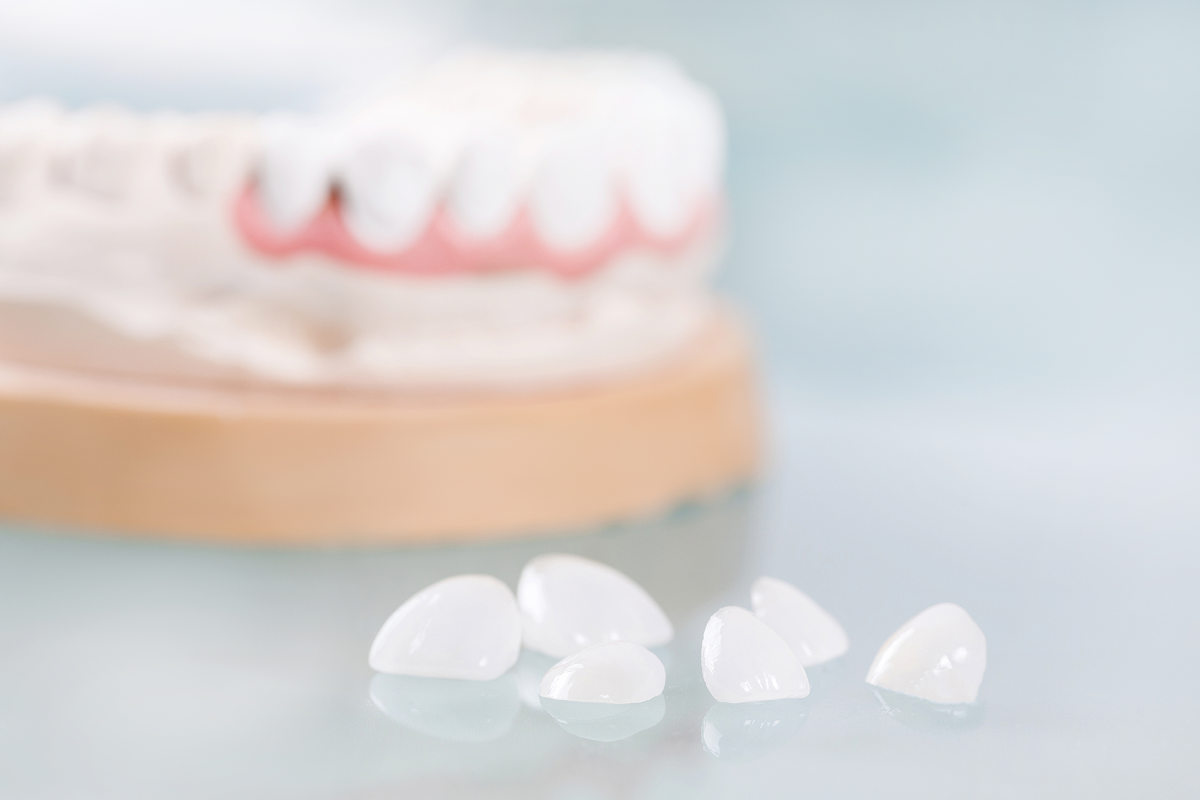
Some of the common tooth replacement choices include a dental implant, a dental bridge, or a partial denture, each with its own benefits depending on your needs and budget.
If you need teeth removal in Montebello, your dentist can walk you through both the removal and the replacement plan in one visit.
Talk to a Dentist About Your Options
Every tooth and every mouth is different, so the only way to know whether removal is truly needed is a professional exam. If you are in pain or worried about a damaged tooth, do not wait for it to get worse. The Greenwood Dental Group includes some of the most experienced dentists in Montebello and they can help evaluate your situation, explain your choices, and help you protect your smile for the long run. Schedule a consultation today.
Frequently Asked Questions
Can a badly decayed tooth always be saved with a root canal?
Not always. A root canal can save many decayed teeth, but if too little healthy tooth structure remains, the tooth is considered non-restorable and extraction is the safer option.
Can gum disease make a tooth need to be removed?
Yes. Advanced gum disease destroys the bone and tissue that support a tooth. When that support is lost and the tooth becomes very loose, removal is often the healthiest choice for the rest of your mouth.
Does a cracked tooth always have to be pulled?
No. Many cracked or fractured teeth can be repaired with a filling, crown, or root canal. Pulling teeth is usually only needed when the crack extends below the gumline or splits the tooth.
Do impacted wisdom teeth always need extraction?
Not in every case. Some impacted wisdom teeth stay stable and pain-free and can simply be monitored. Others cause crowding, infection, or damage to nearby teeth, and those are recommended for dental extraction
What happens if I do not extract a tooth that cannot be saved?
Leaving a severely damaged or infected tooth in place can lead to worsening pain, spreading infection, and harm to neighboring teeth and bone.
Should I replace every extracted tooth?
In many cases, yes. Replacing a missing tooth with an implant, bridge, or denture prevents the surrounding teeth from shifting and protects your bite. Wisdom teeth are the main exception, since they usually do not need to be replaced.