Published: August 27, 2026. Last reviewed: August 27, 2026.
Medically reviewed by Spartak Delakyan, DDS
For general education only; not personal dental advice.
Dental Fillings Explained: Types, Procedure, and What to Expect
TL;DR: A dental filling repairs a tooth that has been damaged by decay or a minor fracture, restoring its shape and function. Your dentist removes the decayed portion of the tooth, cleans the area, and fills it with a durable material such as composite resin, amalgam, ceramic, or gold. Modern tooth-colored fillings blend in so well that most people cannot tell they are there. Fillings are quick, routine, and among the most common procedures in dentistry, and with good care they last for many years.
Few dental treatments are as common, or as misunderstood, as the dental filling. Most people will need at least one in their lifetime, yet the details of what actually happens in the chair often stay a mystery until the appointment arrives.
This guide answers the question of what are fillings for teeth, walks through the procedure step by step, and explains the choices you have along the way.
What Is a Dental Filling?
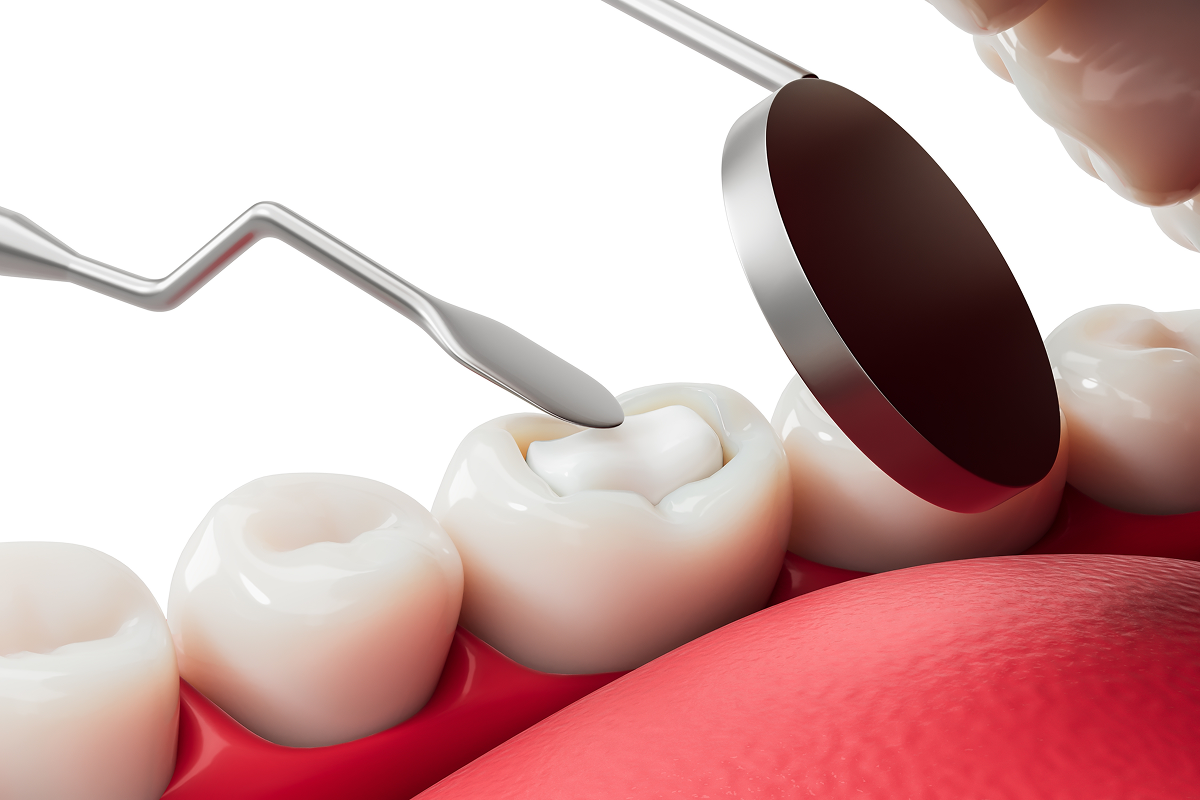
A tooth filling is a restoration that repairs minor to moderate damage and returns the tooth to its normal shape and function. Dentists most often recommend a cavity filling when decay has created a hole in the tooth, but a filling also repairs a minor tooth fracture or a chipped edge. In each case, the goal is the same: remove the damage, then rebuild the tooth so it works and looks the way it should.
A dental filling for cavities is a form of tooth decay treatment that stops a small problem from becoming a large one. Left alone, decay spreads deeper into the tooth, moving from the enamel into the dentin and eventually toward the pulp, where it can cause pain and infection. Repairing the tooth early with a dental filling protects the healthy structure that remains.
Regular dental care in Montebello helps catch cavities while they are still small enough for a simple fix.
How Do Dental Fillings Work?
If you have ever wondered how do dental fillings work, the idea is straightforward. Decay destroys part of the tooth and leaves a soft, damaged area behind. Filling a cavity means removing that decayed portion of the tooth and replacing it with a solid material that bonds to or sits firmly within the remaining structure.
Once hardened, the filling restores the tooth’s surface, reinforces the damaged tooth structure, seals out bacteria, and lets you bite and chew normally again. In short, a dental filling for cavities is cavity repair that both fixes the damage and prevents further decay.

What Are the Types of Dental Fillings?
One of the most common questions patients ask is what are the types of dental fillings available. Today you have several choices of dental filling material, each with its own strengths. The right one depends on where the tooth sits in your mouth, how much of it needs repair, and your priorities around appearance, durability, and cost.
| Material |
Best For |
Good to Know |
| Composite resin |
Visible teeth and front teeth |
Tooth-colored and blends in; bonds directly to the tooth |
| Amalgam |
Back teeth under heavy chewing |
Very durable and cost-effective; silver in color |
| Ceramic / porcelain |
Larger restorations needing strength |
Natural looking and highly stain-resistant |
| Gold |
Durability over appearance |
Long-lasting and gentle on opposing teeth |
Among these types of dental fillings, composite resin has become the most popular, because it matches the natural color of your teeth and bonds directly to the tooth structure. If you would like a natural-looking repair, ask about composite fillings in Montebello, which restore the tooth without the silver appearance of older amalgam work.
The Dental Filling Procedure Step by Step
The dental filling procedure is one of the simplest restorative treatments in dentistry, and it usually takes just one comfortable visit. Here is how a typical cavity filling procedure unfolds:
- Numbing the area. The dentist applies a local anesthetic so you stay comfortable throughout. You may feel slight pressure later, but not pain.
- Removing the decay. The dentist removes the decayed and damaged portion of the tooth and cleans the space to clear away all traces of decay and plaque.
- Placing the filling. The prepared tooth is filled with your chosen material, which is layered and shaped to match the natural contour of the tooth.
- Hardening and polishing. The material is hardened, often with a curing light, then polished so it feels smooth and blends with the surrounding tooth.
That is the entire tooth filling procedure from start to finish. Because the whole tooth cavity filling is completed in a single appointment, most people are back to their day within an hour.
How Long Does a Filling Take, and How Long Does It Last?
Two practical questions come up often. First, how long does a filling take? A straightforward tooth filling usually takes about twenty minutes to an hour, depending on the size of the cavity and the material used. Larger or multiple fillings take a little longer.
Second, how long do dental fillings last? With good oral hygiene, most fillings last many years. Composite fillings often last around five to ten years or more, while amalgam and gold can last even longer. Their lifespan depends on where the filling sits, how much chewing force it absorbs, and how well you care for your teeth. Regular checkups let your dentist catch a worn dental filling before it fails.

When a Filling Is Not Enough
Sometimes decay reaches too far for a simple filling. When it moves into the pulp at the center of the tooth, a root canal treatment may be needed to save the tooth. When a large portion of the tooth structure is damaged, dental crowns can restore strength that a filling alone cannot provide.
For a complete evaluation, a visit to a practice offering general and family dentistry in Montebello is the best place to start.
Protect Your Smile with a Simple Fix
A dental filling is a small, routine treatment that prevents much bigger problems down the road. Catching a cavity early keeps the repair simple and your natural tooth intact.
If you have tooth pain, sensitivity, or a spot that has caught your attention, do not wait for it to grow. Book an exam with the experienced dentists in Montebello at the Greenwood Dental Group, and let a trusted team restore your tooth quickly, comfortably, and for the long term.
Frequently Asked Questions
Can you really heal a cavity without a filling?
A cavity that has just begun, before it breaks through the enamel, can sometimes be remineralized with fluoride and good hygiene. Once decay forms an actual hole, it cannot heal on its own, and a filling is needed to repair it and stop the spread.
Is a dental filling the same as a root canal?
No. A filling repairs decay in the outer layers of the tooth, while a root canal treats infection that has reached the pulp deep inside.
Can a dentist fill a cavity between two teeth?
Yes. Cavities between teeth are common, and a dentist can restore them with a filling shaped to rebuild the contact point between the two teeth. Composite material works well here because it bonds to the tooth and blends in.
Why does my tooth hurt when I bite after a filling?
Mild sensitivity for a few days is normal as the tooth settles. If it hurts specifically when you bite, the filling may sit slightly high and need a quick adjustment. A short visit to smooth it down usually solves the problem.
Can you get a cavity underneath a filling?
Yes. A filling repairs the original decay, but new decay can form around its edges if plaque builds up there. Good brushing, flossing, and regular checkups keep the margins healthy and the filling sound.
Are composite fillings suitable for back teeth?
Yes. Modern composite materials are strong enough for the chewing forces on back teeth, and they are a popular tooth-colored choice. For very large cavities under heavy pressure, your dentist may suggest a more durable material or a crown.
What happens if a filling falls out?
Contact your dentist promptly. A lost filling leaves the tooth exposed and vulnerable to decay and sensitivity. Until you can be seen, keep the area clean and avoid chewing on that side. Replacing the filling quickly prevents further damage.