TL;DR: Porcelain veneers are more durable, natural-looking, and stain-resistant, but cost more and require multiple dental visits. On the other hand, composite veneers are more affordable and can be applied in a single session, but don’t last as long. The right choice depends on your budget, timeline, and how long you want results to last.
If you’re wondering how your favorite celebrity manages to maintain their perfect pearly whites, the answer is most likely veneers.
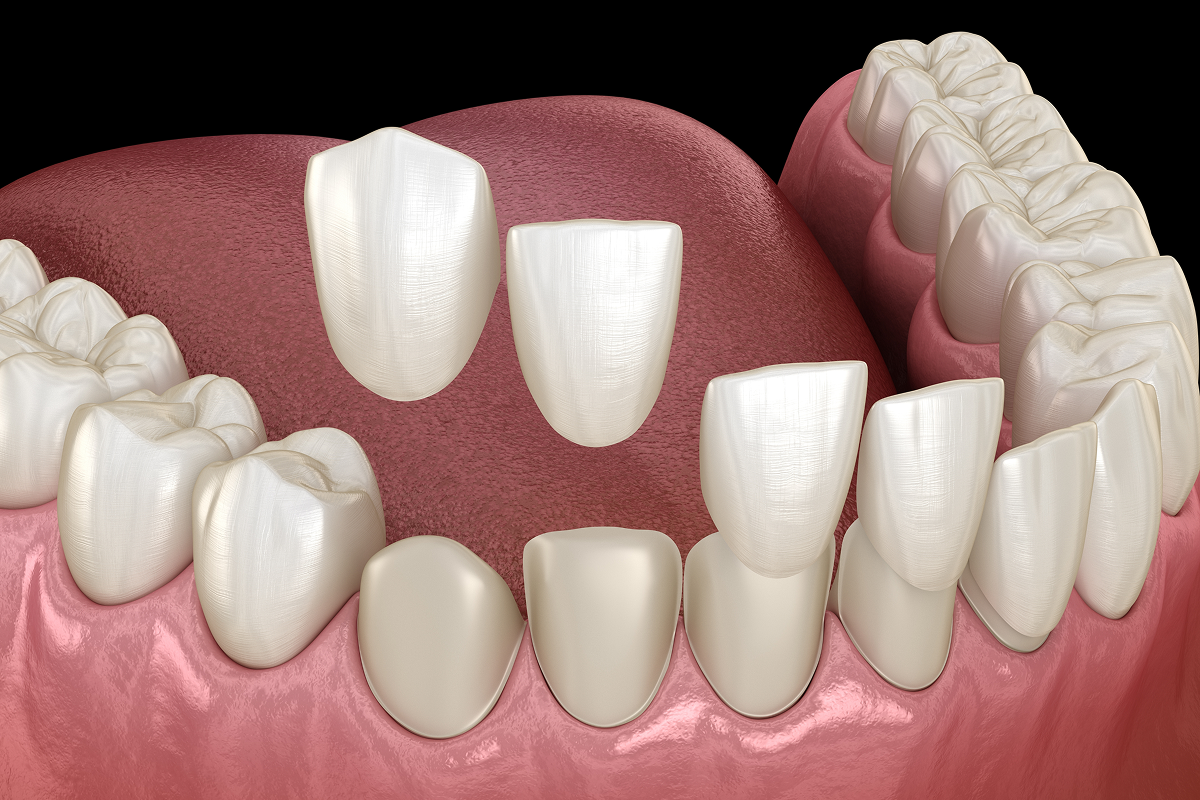
This cosmetic dentistry procedure has become an incredibly popular way to deal with stained, crooked, or chipped teeth. It involves fitting a thin, custom-made shell to the front of your teeth to hide any imperfections. In most cases, this shell is made of one of two materials: composite and porcelain.
What is the difference between composite veneers and porcelain veneers? Learn more in this article by our expert dentists in Montebello.
What Are Composite Veneers?
Composite veneers are made up of a resin of plastic-based polymers. They are custom-made to fit over your teeth, and closely mimic the color, shape and texture of natural enamel. Typically, the surface of your natural tooth is etched before layers of composite are applied. The veneers are then shaped and hardened using a curing light.
Composite resin veneers are typically molded by a dentist over a single visit — making them a quick and convenient solution for anyone with dental imperfections. They usually last anywhere between 5 and 7 years. However, with proper oral care, and a strict maintenance schedule, this lifespan can be up to a decade or more.
What Are Porcelain Veneers
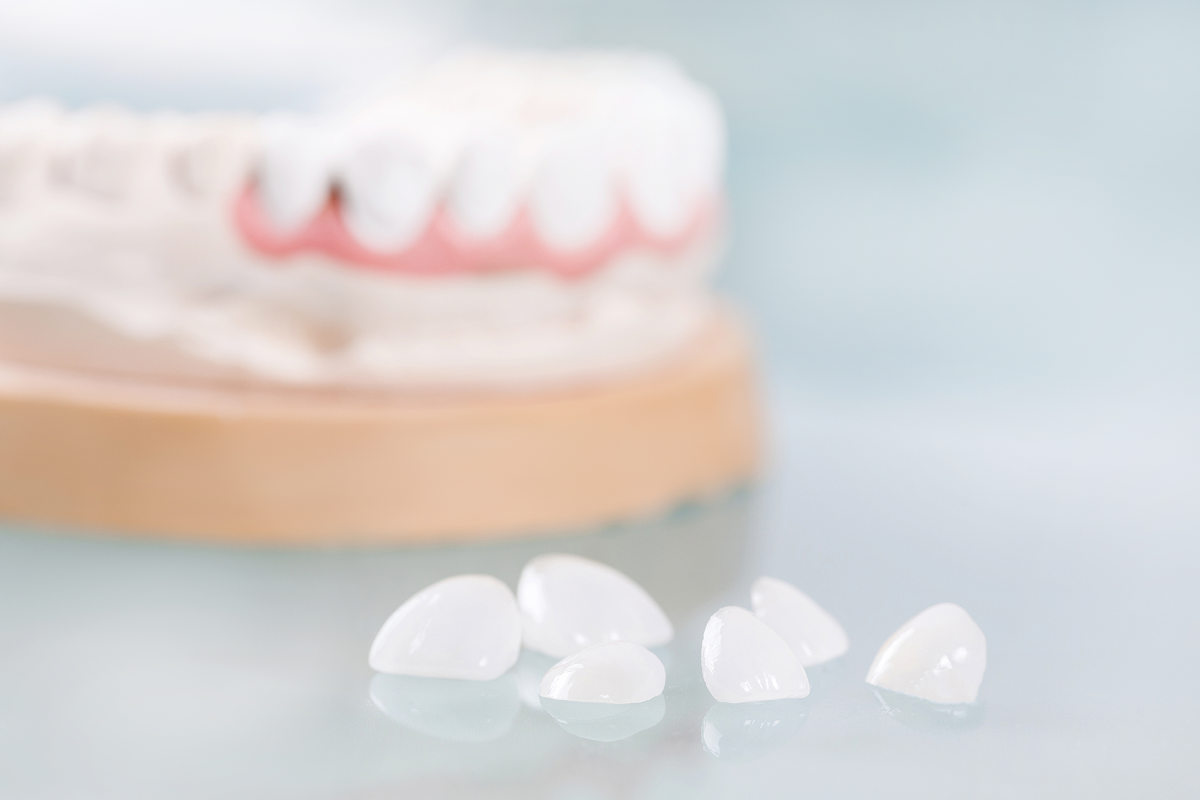
Porcelain veneers work in similar fashion to composite dental veneers, but are made from a high-quality ceramic. They, too, closely resemble natural teeth, but require more effort and time to create. Porcelain veneers are usually custom-made in a laboratory with CAD/CAM technology for a perfect fit.
The material used in these veneers has light-reflecting properties similar to naturally occurring teeth, making them perfect for covering stains, and other imperfections. As a result, porcelain veneers are known to last long — often 10 to 15 years, and more.
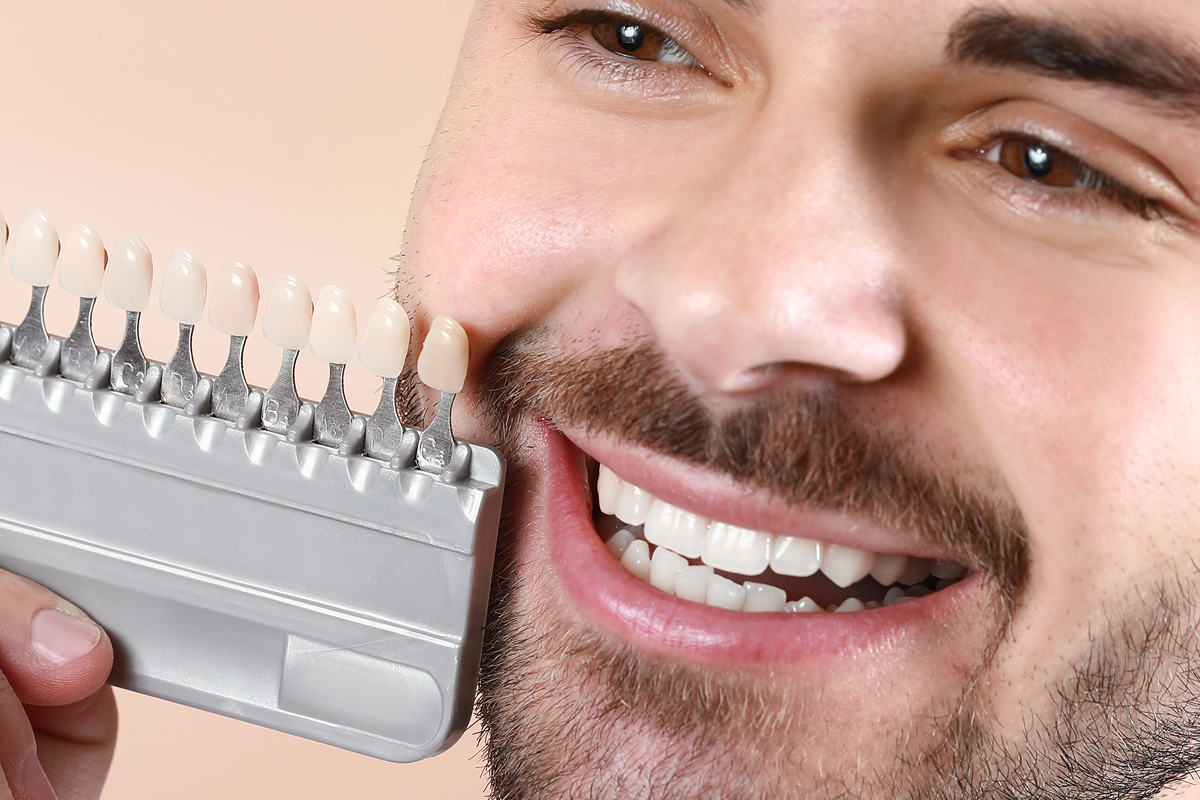
Composite Vs Porcelain Veneers Comparison
Both composite and porcelain veneers are staples of cosmetic dentistry in Montebello. However, depending on your requirements, time constraints and budgets, there are some key considerations when choosing between composite or porcelain veneers.
While the main difference between composite and porcelain veneers is with regard to the materials used, here are some additional distinctions to help you decide which is right for you.
Porcelain Vs Composite Veneers: Durability
How long do veneers last? It depends. When it comes to durability, porcelain veneers come out on top. With the right care, composite veneers usually last up to 8 years and for a maximum of a decade. Porcelain veneers, on the other hand, are noted for their durability‚ often lasting up to 15 years with proper maintenance practices.
While composite resin veneers are still a highly popular choice with many benefits, they also have a higher tendency to chip or stain. Porcelain veneers are naturally more resistant to this sort of damage, but if something unfortunate were to occur, it may require more frequent visits to the dentist to repair. When looking for veneers in Montebello, don’t forget to also consider how the skill of the dentist impacts longevity.
Porcelain vs Composite Veneers: Application
Composite veneers are quicker and less invasive to apply. They’re placed directly onto the teeth in a single session, making them ideal for those who are looking for more immediate results, and a lower upfront investment. They are, however, more prone to staining and wear over time.
Porcelain veneers, on the other hand, are designed for durability. They require multiple visits, since they must first be crafted in a lab, and are only usually applied during the second session. With that said, the end result tends to look more natural and the veneers last longer. They resist stains better and maintain their polish for years.
If you’re looking for a short-term fix, composite resin veneers may be the right choice. If you want something that feels more polished, porcelain veneers are the better option.
Composite Veneers vs Porcelain Veneers Costs
One of the key factors most of our clients look out for is the composite vs porcelain veneers price. Composite resin veneers are more affordable because they are applied directly by the dentist without the need for fabrication. This makes them accessible for patients who want cosmetic improvement without a large financial commitment.
Porcelain veneers cost more due to the materials used and the customization process. Each veneer is designed and fabricated individually, and requires more sessions with the dentist, which naturally impacts the price. With that said, porcelain veneers are more cost-effective in the long run because of their durability.
Porcelain Vs Composite Veneers: Maintenance
With regard to maintenance, once again, porcelain veneers emerge on top.
Once the veneers are applied, all you really need is regular brushing, flossing, and dental checkups. Composite resin veneers, on the other hand, are more prone to staining and chipping, and may require intensive dental care in Montebello.
Regardless of the material, some self-care tips you could follow include:
- Brush and floss regularly to prevent plaque build-up
- Avoid biting down on hard objects, like fingernails or pencils.
- Limit your consumption of foods and drinks that stain your teeth
- Visit your dentist for frequent checkups and cleanings.
All these practices can help you maximize the lifespan of composite or porcelain veneers. But at the end of the day, porcelain veneers will always be the more durable option with the same amount of care.
Make the Right Choice with Greenwood Dental Group
At the end of the day both porcelain and composite resin veneers are great options to restore your natural smile. If longevity and easy maintenance are your priorities, porcelain is the better choice, but if it comes to affordability and ease of application, composite veneers are the more appropriate option.
Looking for a professional dentist in Montebello to help you weigh your options? Look no further than Greenwood Dental Group. Our team has been helping clients understand the pros and cons of composite vs. porcelain veneers. Reach out to us to learn more.
Frequently Asked Questions
Are composite veneers more affordable than porcelain veneers?
Yes, composite veneers are considerably more affordable, typically ranging from $250 to $1,500 per tooth. Porcelain veneers, on the other hand, run between $900 and $2,500 per tooth. Also worth noting is that most dental insurance plans classify veneers as a cosmetic procedure, which means the entire procedure cost is almost always paid entirely out of pocket.
How long do porcelain and composite veneers last?
Composite veneers typically last between 5 and 8 years, but with regular diligent care they can reach a decade. Porcelain veneers are the more durable option, generally lasting 10 to 15 years and with proper maintenance, even longer. In both cases, habits like avoiding hard foods, limiting staining beverages, and keeping up with your regular dental checkups play a big role in longevity.
Which option is better for chipped or uneven teeth?
Both porcelain and composite veneers can effectively address chipped or uneven teeth, but they differ in approach. Composite veneers are a strong choice for minor chips. They can be sculpted and shaped directly on the tooth in a single visit, making them a quick fix. For significant unevenness or larger chips, porcelain veneers deliver better long-term results. Their lab-fabricated shell is custom-designed for a precise, natural-looking fit. Your dentist can help assess which option best suits the extent of the correction needed.
Which veneers stain less?
Porcelain veneers are generally more resistant to staining than composite veneers. The ceramic material used in porcelain has a smooth, non-porous surface that repels pigments from coffee, tea, wine, and other staining foods and drinks. Composite resin mimics the appearance of natural teeth well, but it is more porous and tends to absorb stains over time. Polishing or eventual replacement will be needed to restore their original appearance.