February 23, 2026
How Long Do Veneers Last? A Detailed Guide
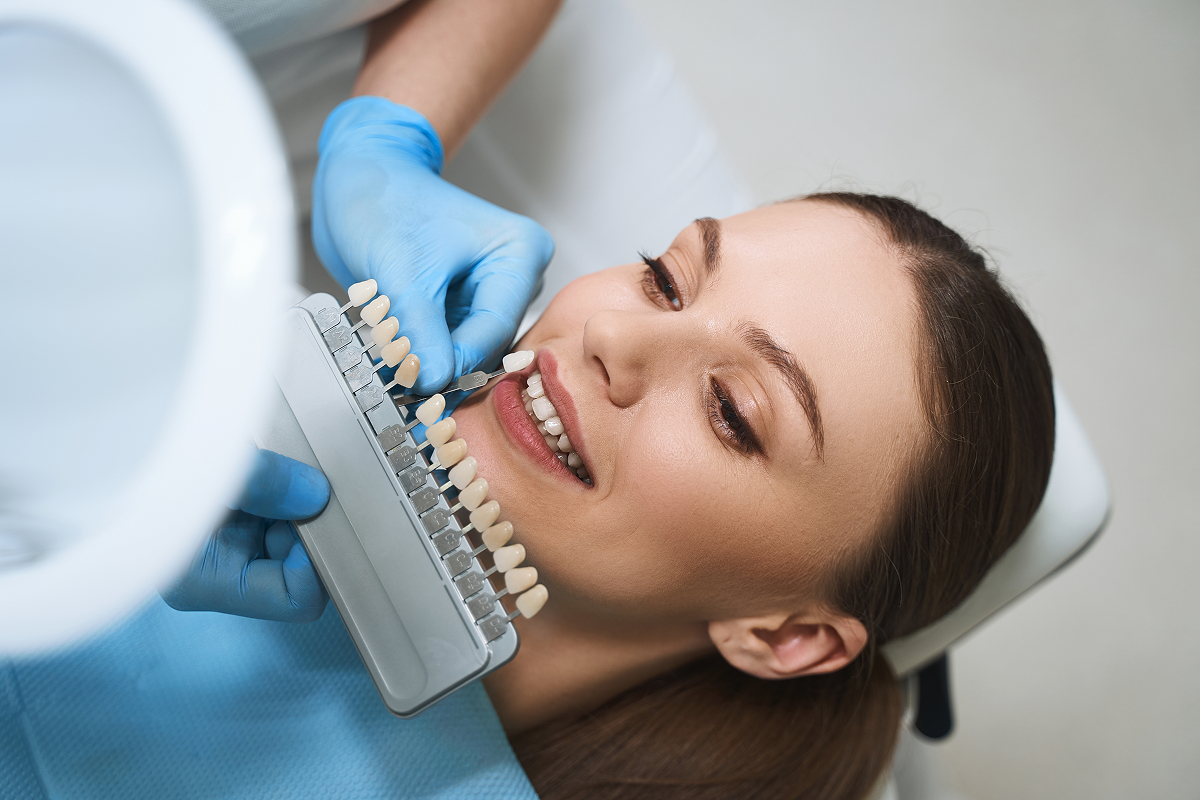
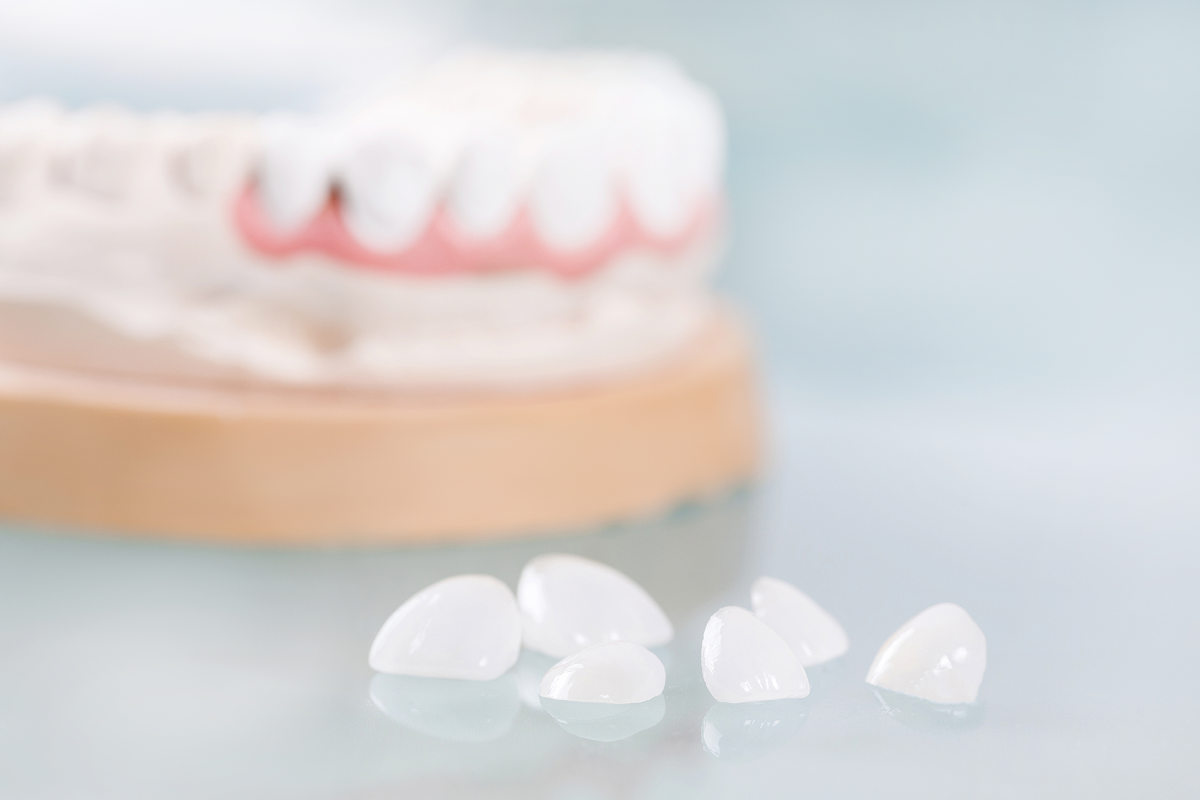
Over the last few years, the number of people electing to fit veneers over their natural teeth has more than doubled. And, indeed, veneers are a solid option for anyone who suffers from chipping, staining, or large gaps.
But as with any new treatments, there’s always going to be questions: How long do veneers last on teeth? Are porcelain veneers permanent? And perhaps most importantly, is it worth the investment? The answer to all, unfortunately, is it depends.
In this blog, we’ll break down what you need to know about the latest trend in cosmetic dentistry and offer tips on how to prolong the lifespan of your new set of teeth.
How Long Do Veneers Last on Teeth?
Are veneers permanent? Unfortunately not. All veneers fade and loosen, and eventually will need to be replaced.
So, how long do dental veneers last?
The average lifespan of veneers depends on multiple factors. It is possible for certain types of veneers to last up to 20 years with proper hygiene and maintenance.
How Long Do Porcelain Veneers Last?
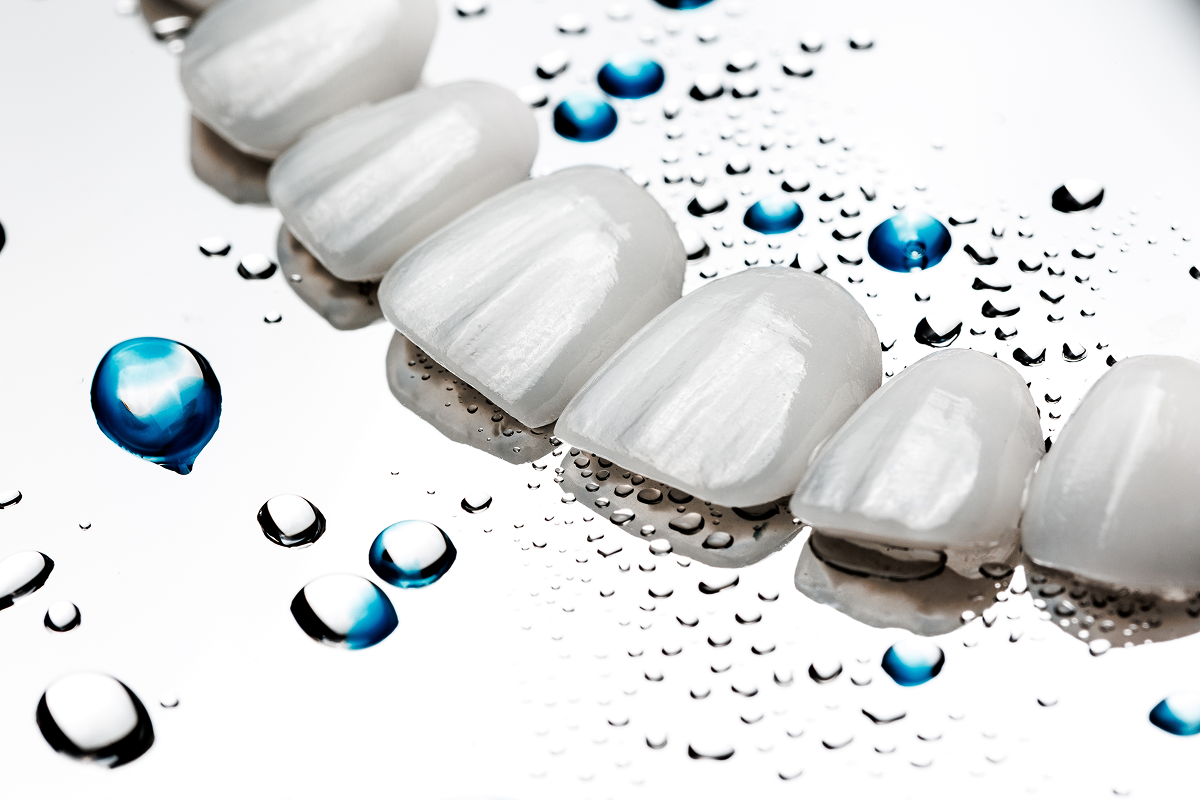
The lifespan of porcelain veneers is between 10-15 years. However, if you follow a strict self-care routine, you can push this figure up to 20 years. Porcelain veneers are made up of thin layers of a very durable ceramic, which makes them a sturdier option.
How Long Do Composite Veneers Last?
Composite veneers, on the other hand, are made from a resin of plastic and glass. The material is easy to apply and does a good job of matching your teeth tone. But composite veneers don’t last as long as porcelain veneers. Cracks may start to show in 4-8 years.
Factors Influencing Veneers Lifespan
It’s hard to arrive at an exact figure for how long your specific veneers will last. Instead, you’ll need to account for the multiple factors that influence the average lifespan of veneers — ranging from after care to everyday oral hygiene.
Type of Material
The most crucial factor is the type of material used for your veneers.
As mentioned, the lifespan of porcelain veneers is longer than other options. The material is known for its durability and stain-resistence, making it the preferred choice for most. It also means that this is, comparatively, the more expensive option.
Apart from that you could also elect for composite resin veneers. This material is more cost-effective, and easier to apply. But it is more prone to wear and tear.
Dentists in Montebello may also offer you the option of temporary veneers. But as the name suggests, this is not a long-term solution.
The quality of the original material could also have a bearing on the lifespan of dental veneers. High-grade ceramics from reputed labs will be more effective and durable. The techniques and expertise applied during placement also makes a difference.
Oral Hygiene
The lifespan of veneers can be significantly extended by maintaining regular oral hygiene. Thorough brushing, flossing, and regular dentist visits can help keep both the artificial covering and original enamel healthy. Gum disease is particularly dangerous for veneers lifespan, as it weakens the bond between the artificial and real tooth.
Daily Habits
Addictions to sugar or smoking are never a good idea for your teeth. But when discussing the average lifespan of dental veneers, these habits become even more critical. Drinks that are known to stain — including tea, coffee, and wine — should be consumed in moderation to prevent damage.
Similarly, smoking can rapidly turn your bright veneers brown. It also increases the chance of contracting periodontal or gum disease, which can be disastrous.
Grinding or clenching, otherwise known as bruxism places a lot of pressure on veneers. Even the more permanent porcelain veneers are put at risk of chipping and cracking. One solution for this could be to pair your veneers with a mouthguard.
Your Age
While your age itself doesn’t really affect the lifespan of dental veneers, or the application process, it can influence factors that affect their durability. The elderly, for example, are more prone to receding gumlines or contracting gum disease, both of which expose the edges of your veneer, and make them more prone to damage.
Best Practices to Protect Your Veneers
The good news is that you can expand the lifespan of veneers by taking care of yourself. Here are some practices you can introduce to protect your investment.
Brush and Floss Regularly
It may sound obvious, but the best way to prevent harming your precious veneers is to brush your teeth regularly. Experts recommend brushing at least twice a day with a soft-bristle toothbrush and fluoride toothpaste.
Don’t forget to floss either. Plaque tends to collect between your teeth increasing the chance of gum inflammation, and in the worst case, severe periodontal disease.
Pay Attention to Your Diet
Once you get a new set of veneers, dentists will recommend that you limit your intake of all substances that stain teeth, such as coffee, wine, or even berries. Beyond that, it also makes sense to avoid extra hard, or sticky foods as they could contribute to faster deterioration. The average lifespan of dental veneers significantly increases in those who pay attention to what they’re eating, and how it affects their teeth.
Visit the Dentist
Increasing the frequency of dental checkups can help increase veneers lifespan. Many guides recommend visiting twice a year for professional cleanings. This helps remove plaque buildup, reduces your chance of infections, and addresses all potential issues in your veneers at an early enough stage.
Beyond this, you could also opt for additional protective measures, like wearing a nightguard during physical activities, or before bed.
However, even the most meticulous patients will eventually reach the point where their veneers will start to age. You may start to notice chipping, discoloration, or the veneers starting to loosen. This signals that it may be time to visit an expert for dental care in Montebello.
The Bottom Line
The lifespan of porcelain veneers can extend up to two decades, and composite veneers last about half that time. However, the exact lifespan depends wholly on how well you maintain your investment, and the quality and expertise of the dentist.
At Greenwood Dental, we know a little bit about both. As experts of cosmetic dentistry in Montebello since 1994, we’ve helped countless patients improve their smiles with advanced and cost-effective treatments. If you’re looking for veneers in Montebello, don’t hesitate to reach out to our team today.

Frequently Asked Questions
Are dental veneers permanent?
No, dental veneers are not permanent. You can, however, significantly expand their lifespan with proper hygiene and routine maintenance.
How durable are veneers?
Veneers can differ in durability depending on the material used. Composite resin veneers are less durable than porcelain veneers, but also more cost-effective.
How long do porcelain veneers last?
The lifespan of porcelain veneers can be from 10-15 years, or even beyond, depending on your maintenance schedule and practices.
How long do composite veneers last?
Composite veneers last anywhere from 4-8 years, depending on how well you take care of them.