People who are scheduled to undergo or have had dental implant surgery often wonder about dental implant longevity.
Do dental implants last forever?
On paper, dental implants can last for a lifetime, provided you maintain oral hygiene. In reality, you may need replacement after 10-25 years, depending on factors specific to you and your implant. Many factors, including your age, gum health, the length and diameter of the implant, its material, your jawbone density, and the location of insertion, affect dental implant lifespan.
Let your trusted dentists in Montebello break it down for you.
Understanding the Structure of Dental Implants
Contrary to popular perception, here’s one thing you must know about dental implants.
They are not artificial teeth. It’s one of the main points of difference between dental implants vs dental bridges.
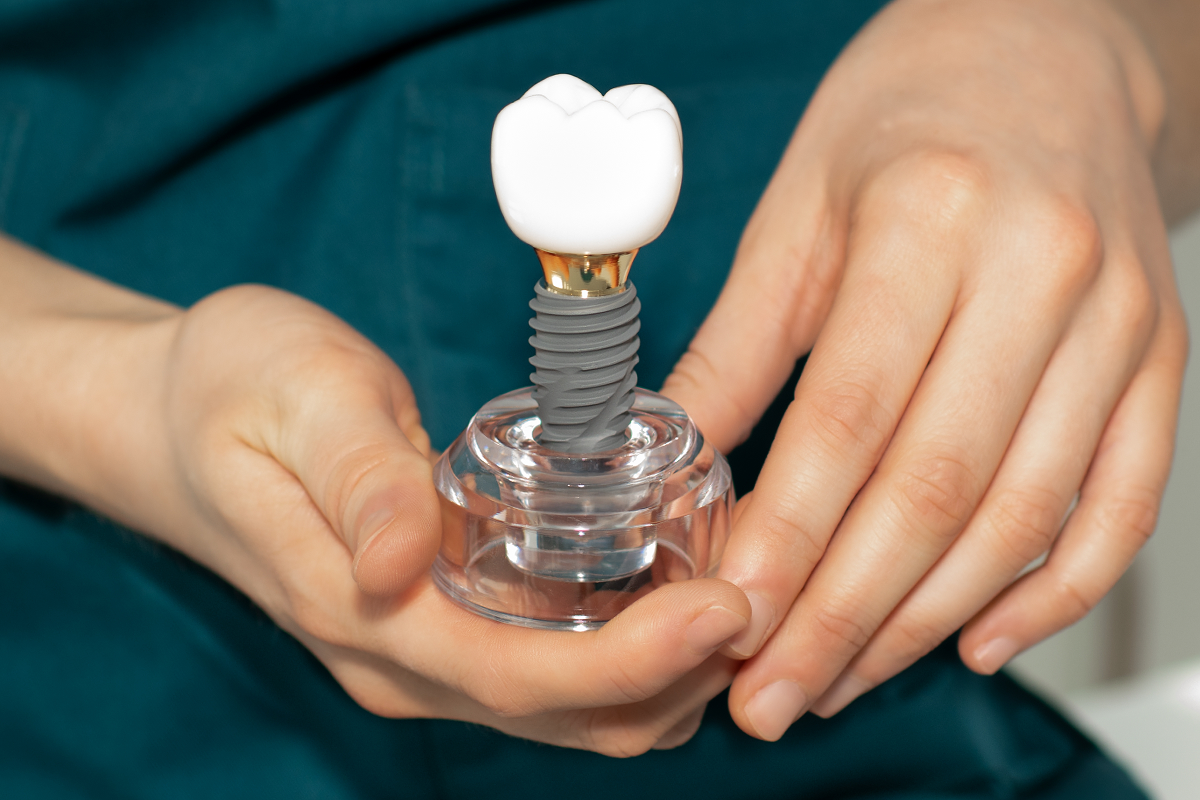
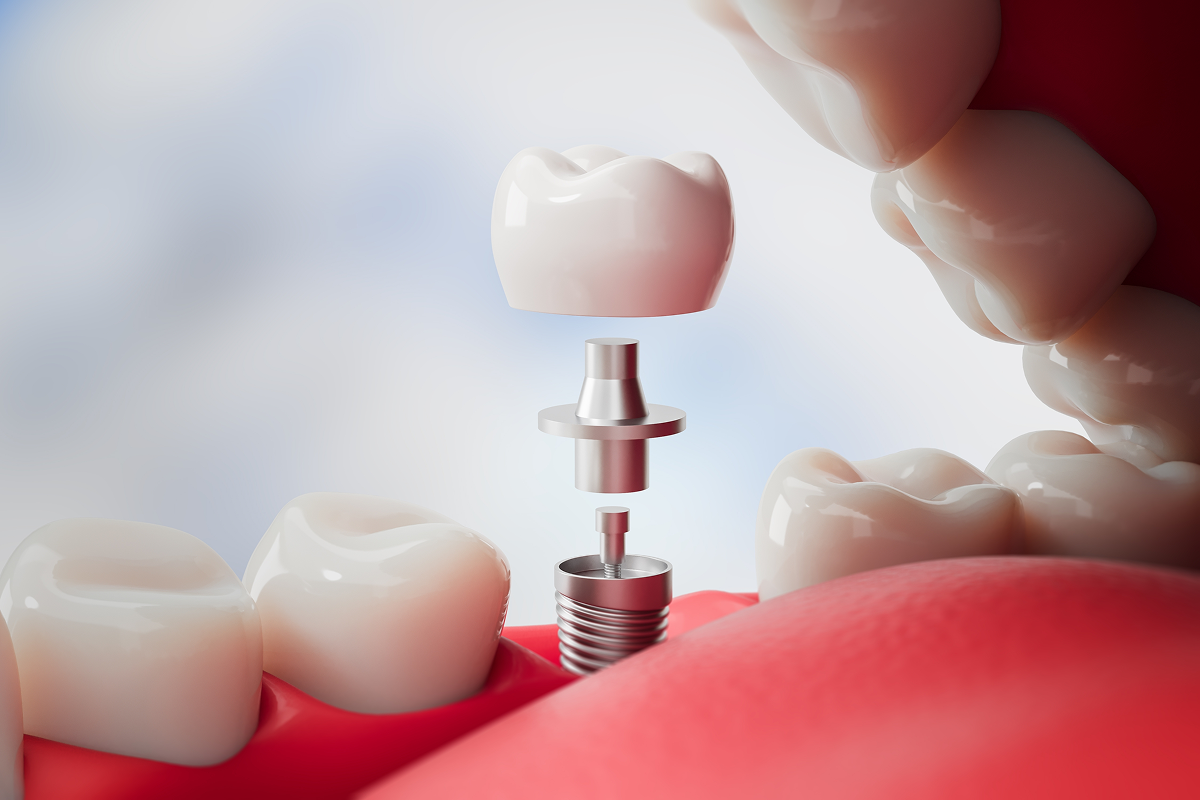
Dental implants act as artificial roots of your teeth. Dentures, crowns, and other artificial tooth replacements are attached to the implant. The attachments replace missing teeth, providing both functional and aesthetic benefits.
Typically, each dental implant comprises three parts:
1. The Fixture: This is the part that is surgically implanted in the jawbone. It forms the base of the implant’s structure. Once inserted, it fuses with the jawbone over a duration of 3-6 months, becoming a prosthetic “root” of sorts.
2. The Abutment: This is the structural support that bridges the gap between the fixture and the dental replacement. It ensures that the entire structure remains steady in its place.
3. The Screw: A typical screw, this part is used to attach the abutment to the fixture securely and hold it in place.
While these are the constituent parts of dental implants, they can be of different types:
- Standard dental implants – 8mm to 12mm in length
- Short dental implants – 8mm or less in length
- Orthodontic implants / TAD – 6mm to 12mm in length
- Disk implants / BOI implants – 6mm to 18mm in length
In addition, dental implants can be further categorized by material. They can be made of:
- Titanium
- Zirconium
- Porcelain
- Cobalt-chromium alloy
- Biocompatible polymers like Polyether Ether Ketone (PEEK).
You may have preferences, but your doctor will decide on the length and material after the initial inspection. It’s important to be aware of the differences because all these directly impact the lifespan of tooth implants.
The Lifespan of Dental Implants
When trying to calculate the life expectancy of dental implants, you should take the following into consideration:
1. Material
Dental implants longevity is correlated to the properties of the materials. That’s why titanium and titanium alloys are the gold standard of dental implants. They last for more than 25 years when proper care is taken.
At an estimated 15-20 years, Zirconia dental implants lifespan follows that of titanium. Porcelain, when fused with metal, lasts equally long. Biocompatible polymers can require replacement every 5-10 years, depending on your chewing patterns and food habits.
Choose the materials carefully if you want to prolong the longevity of dental implants.
2. Length
One of the most important but overlooked factors affecting dental implant lifespan is the length. Longer implants are sturdier, providing greater stability and support. So, they last longer than shorter implants.
Having said that, it’s equally important to acknowledge that longer implants may require bone grafting. The whole process can be more time-consuming and intense.
Shorter implants may be more comfortable for you. However, they are more prone to failure in the long run.
3. Care and Maintenance
How long does a dental implant last? Sometimes, that depends on you.
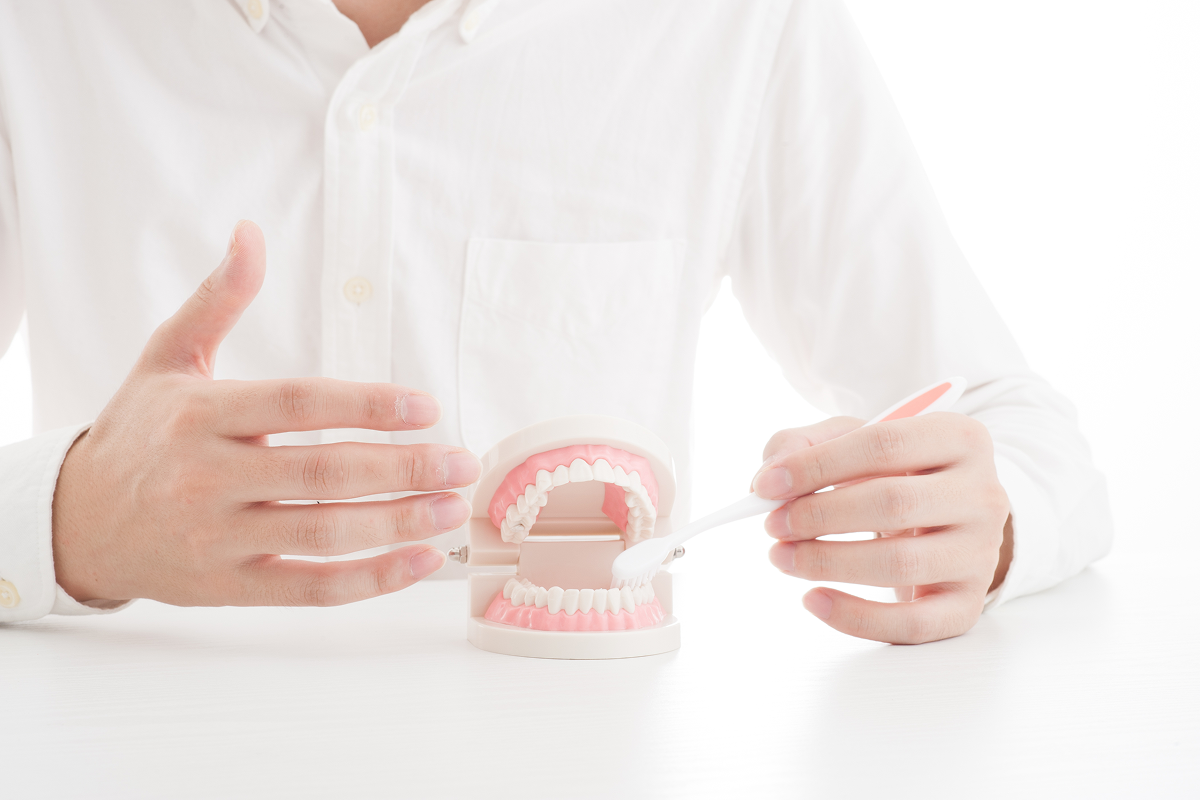
Dental implants mimic the naturally occurring structure of teeth. Proper aftercare, followed by hygienic practices, and daily maintenance go a long way in preserving the integrity of dental implants.
You can easily prevent dental implant failure by regular brushing and flossing. Practicing oral hygiene keeps dental problems at bay, prevents build-up, and improves dental implant lifespan. In addition, good oral hygiene is non-negotiable in keeping your gums infection and inflammation free.
Want to increase the average lifespan of dental implants? Focus on everyday care. Supplement it with quarterly visits to a dental clinic for a professional checkup.
4. Components
While fixtures made of titanium can technically last for a lifetime, the abutment may need to be replaced in 15-20 years. Regular check-ups ensure all the parts of the implant are in good condition. Even if one of them is worn out, it can be immediately replaced.
5. Personal Habits
But nothing trumps personal habits and the influential role they play in sustaining the lifespan of dental implants. Unhealthy habits, like smoking, grinding, chewing too hard, or eating tough food are some of the many reasons dental implants fail.
While bruxism or grinding may not be under your control, you can improve dental implants longevity by letting go of harmful habits. A small change, like quitting cigarettes or other forms of smoking, can improve blood circulation, prevent muscle loss, and reduce gum sensitivity. These factors work in tandem to improve the longevity of dental implants.
So, the next time you think about dental implant failure causes, don’t excuse your personal habits. Instead, make an attempt to rectify them.

Can Dental Implants Last Forever with Proper Care, Good Habits, and Hygiene?
Unfortunately, no.
You can do everything right and still end up with dental implant failure. Sometimes, dental implant failure causes may be beyond your control.
For example, if you develop diabetes mellitus after getting implants, the disease has the potential to reduce the life expectancy of dental implants. Similarly, autoimmune conditions, different types of arthritis, and treatments that make you immunocomprised can be reasons dental implants fail.
In exceptional cases, failed osseointegration can also be the culprit. Bone loss and dental implants are also related. So, osteoporosis can also affect implant lifespan.
Surgical errors, medications like antidepressants, etc. can also adversely affect the life expectancy of dental implants.
But for the most part, implants will last you a lifetime.
Keen to explore your options and find out if you are a suitable candidate for implant surgery? Reach out to us for experiencing holistic dental care in Montebello. Get in touch with us for dental implants in Montebello.