There are several paths you can take to the perfect smile. For most mild to moderate imperfections, for instance, a doctor may recommend either dental bonding or veneers. Both procedures enhance the appearance of your teeth — fixing chips, discolorations, and large gaps to create a more uniform look.
But there are also key differences between the two cosmetic dentistry options, mainly with regard to material, costs, and durability. In this guide, our dentists in Montebello compare teeth bonding vs veneers, and break down which option is better for you.
What is Dental Bonding?
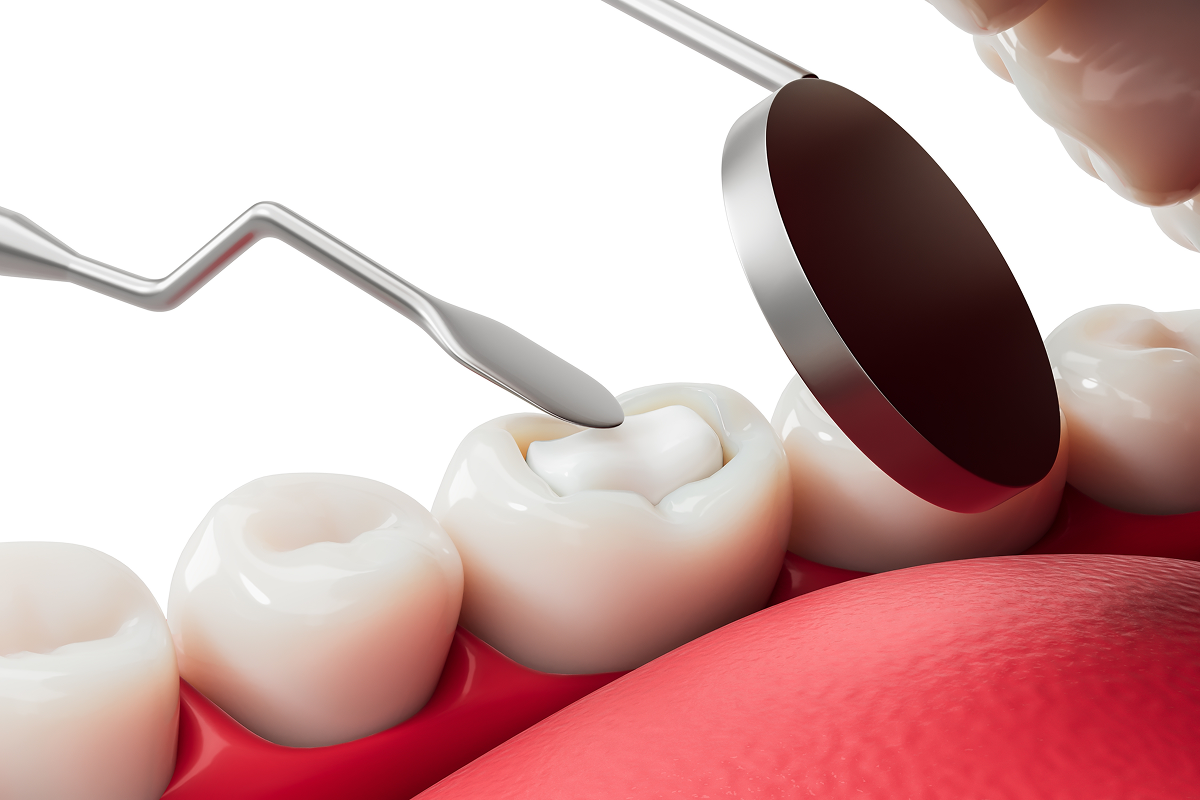
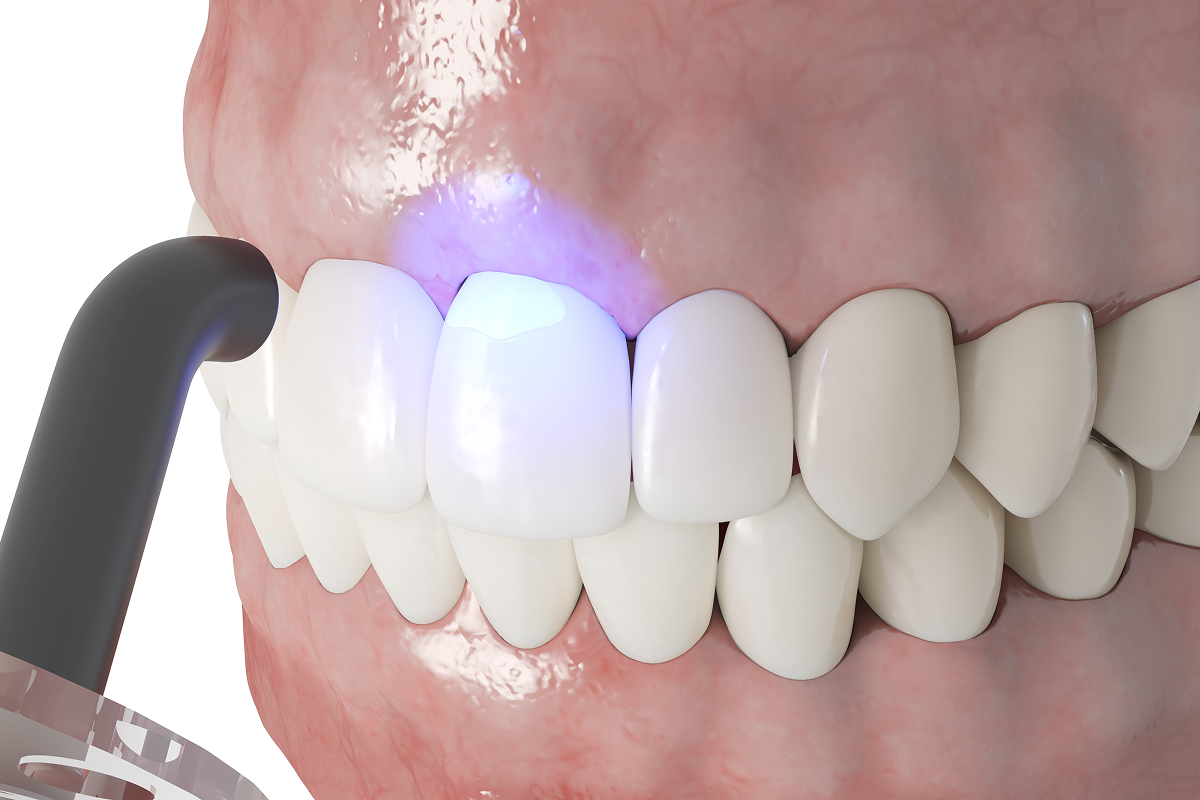
Bonding is a quick and cost-effective procedure that aims to fix mild and minor imperfections. It involves using a composite resin to change the size, or shape of your teeth. The composite is also usually customized to match your exact tooth color.
The process generally takes 30-60 minutes per tooth. During an initial appointment, a doctor will explain the reasons behind choosing cosmetic bonding vs veneers. They may also take X-rays if required, before carefully applying the resin to the affected area.
Dental bonding requires no repeat visits and is a versatile solution that fills up gaps, chips, and cracks, straightens misshapen teeth, and hides discoloration. It is also the simpler, less invasive solution of the two cosmetic procedures.
What Are Veeneers?
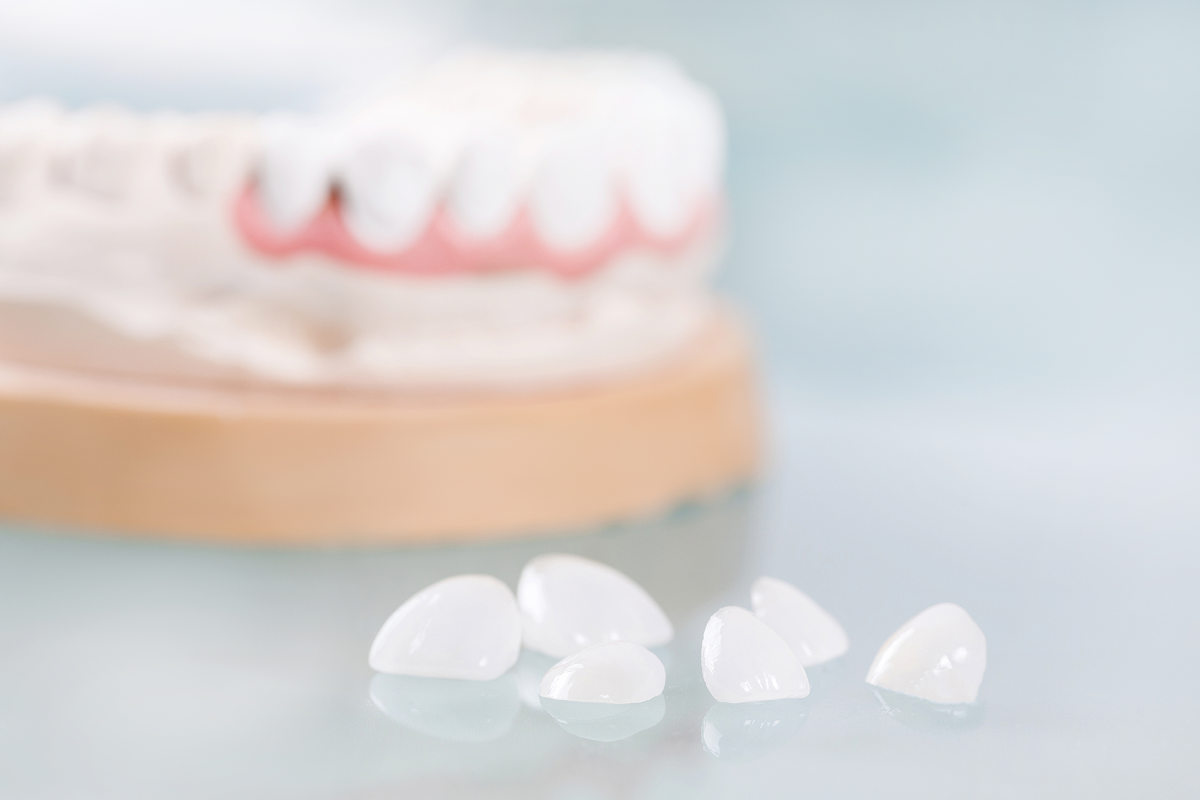
Dental veneers are custom-made shells that fit over your natural teeth — fixing many of the same imperfections as dental bonding. Both veneers and bonding are solutions for chipped teeth, cracks, and large gaps. However, veneers—especially porcelain veneers—are considered a much longer-term option and typically require multiple visits.
This is because, when picking veneers vs bonding teeth, a dentist will have to first remove a layer of enamel, take multiple scans of your mouth, and place a temporary veneer on the tooth before the permanent solution is added with an adhesive.

Veneers Vs. Bonding: Key Differences
While some distinctions between the two should be clear by now, there are multiple other considerations that could help you decide between your options. For example:
Bonding vs Veneers Durability
One of the key reasons for choosing veneers over bonding is the extended lifespan. Dental veneers are usually made of two materials, composite resin and porcelain. While the resin is similar to the one applied during the bonding process, porcelain veneers stand out for their exceptional durability — often lasting 10-15 years.
Another reason for picking porcelain veneers vs composite bonding is that the former has an iridescent finish that more closely matches the natural tooth, and is largely resistant to most stains. Follow this link to learn more about how long do veneers last.
Composite Bonding vs Veneers Costs
There is a significant difference between the cost of the two procedures. Composite bonding is seen as a very cost-effective solution for fixing minor imperfections, since it is a minimally invasive procedure that doesn’t require much preparation.
By contrast, veneers in Montebello may require a higher upfront investment — especially when comparing porcelain veneers vs composite bonding. But many patients consider them a better long-term investment due to their longevity.
Veneers vs Dental Bonding Aesthetics
Both treatments aim to solve the same problems, but one looks clearly more natural than the other. Bonding on front teeth is usually completed in one sitting, and while it can significantly improve the look of your smile, the finish is typically not as customized as veneers. Over time, the composite resin used in bonding may lose its polish or pick up stains, especially if you frequently consume coffee, tea, or tobacco.
Veneers, particularly porcelain ones, have more translucency and maintain their shine for years, making them the preferred choice for patients seeking a flawless aesthetic.
Tooth Bonding vs Veneers Maintenance
Another key difference is post-treatment care for each procedure. Dental bonding requires a more cautious approach — habits like nail-biting can quickly chip the resin, while drinking tea and coffee, or smoking will leave stains. You may need to visit the dentist for occasional touch-ups or repairs.
Veneers, on the other hand, are more durable and resistant to everyday wear and don’t yellow as quickly as composite bonds do. They still require good oral hygiene practices like brushing, flossing, and regular dental check-ups, but are overall easier to maintain.
Veneer vs Bonding Timelines
Dental bonding, in most cases, is a one-day solution. A single appointment lasting 30–60 minutes per tooth is enough to complete the entire treatment. There’s also very little prep work involved, and you can walk out with immediate results.
Veneers, on the other hand, require a more structured approach. Typically, the process of getting veneers to fix crooked teeth starts with an initial consultation. The dentist will create multiple impressions or digital scans of your mouth, and offer you a temporary solution while your custom set of veneers is created in a lab.
Final placement takes place at a follow-up visit, so the entire process may require 1-3 visits depending on your specific case.
Which Option is Right For You?
The choice between porcelain or composite veneers vs dental bonding ultimately comes down to the extent of correction you need and the kind of results you expect.
Montebello dental bonding is better-suited for minor concerns like chips, slight gaps, or uneven edges. It’s a quick, cost-effective, and practical solution that has no strict eligibility requirements. But, at the same time, there is no guarantee that your bonds will stay perfect forever, especially without proper aftercare and maintenance.
Veneers, on the other hand, are better suited for patients seeking a more comprehensive smile transformation. If you’re dealing with multiple concerns, including discoloration, worn teeth, or asymmetry, veneers provide a durable, and natural-looking result.
Although porcelain veneers require more planning and a higher initial investment, they deliver greater longevity and more consistent, aesthetic results. When comparing composite veneers vs bonding, by contrast, the differences are not so stark. An expert of cosmetic dentistry in Montebello can help you weigh these tricky factors.
Take Your Pick of Cosmetic Dentistry Options at Greenwood
When you’re ready to explore the differences between dental bonding vs veneers, reach out to the Greenwood Dental Group. Our team provides a wide range of dental care in Montebello, including various cosmetic options and emergency treatments.
We will take your needs into account, help you weigh the pros and cons of composite resin bonding vs veneers, and guide you on how to prepare for your next appointment.